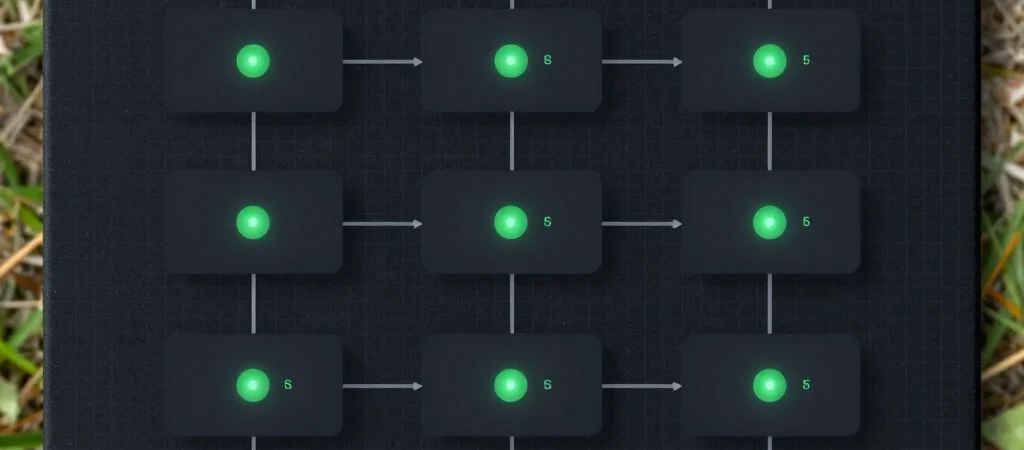
Automated ingestion scripts often fail silently when incoming data deviates from expected schema structures. Relying on brittle webhooks without strict input validation introduces corrupt records into your CMS or database layer. By engineering deterministic n8n pipelines with schema checks and retry loops, you can process incoming documents with absolute data integrity.
Validating Input Schemas at the Gateway
Every payload entering the n8n execution environment must pass through a dedicated Code Node containing a JSON Schema validator. If a required field is missing or an object type fails to match defined parameters, the execution immediately branches to a dead-letter queue. Rejecting malformed payloads at the perimeter protects downstream API integrations from throwing uncaught exceptions.
Transforming Raw Content into Structured Schemas
Once validated, raw Markdown and frontmatter blocks are parsed into normalized JSON fields. Custom JavaScript nodes handle array formatting for tags, clean raw HTML entities, and compute read-time estimates before queuing the record for database injection. This structured conversion step guarantees that front-end rendering layers receive predictable data structures every single time.
Managing Retries and Idempotent Database Writes
External API timeouts can break batch updates mid-flight if your pipeline lacks basic idempotency controls. By pairing unique cryptographic hashes derived from raw source content with database upsert operations, redundant executions cause zero side effects. The pipeline safely retries dropped connections without duplicating records or over-writing live production data.